Fire Protection Engineering Firm in Florida
Licensed, PE-led fire protection design and code consulting built to pass your AHJ review on the first pass.
Nearly 6 Decades of Proven Code Approval
When your project needs a fire protection system that actually holds up to code review, you need engineers, not just installers.
As a Florida-based fire protection engineering firm, Wiginton Fire Protection Engineering delivers licensed, PE-led solutions for commercial, industrial and specialized facilities.
Since 1967, we have provided precise, code-driven engineering built to protect lives, property and business continuity – and engineered to get through your AHJ on the first pass.
Because our engineering leadership sits on national technical committees for the NFPA and NFSA, we don’t just design to the code, we help write it.
Stalled Permit?
We untangle complex code issues and handle AHJ negotiations.
Breaking Ground?
We design from scratch to prevent costly future delays.
Upgrading Systems?
We transition aging infrastructure flawlessly without disrupting compliance.
Full-Service Fire Protection Engineering
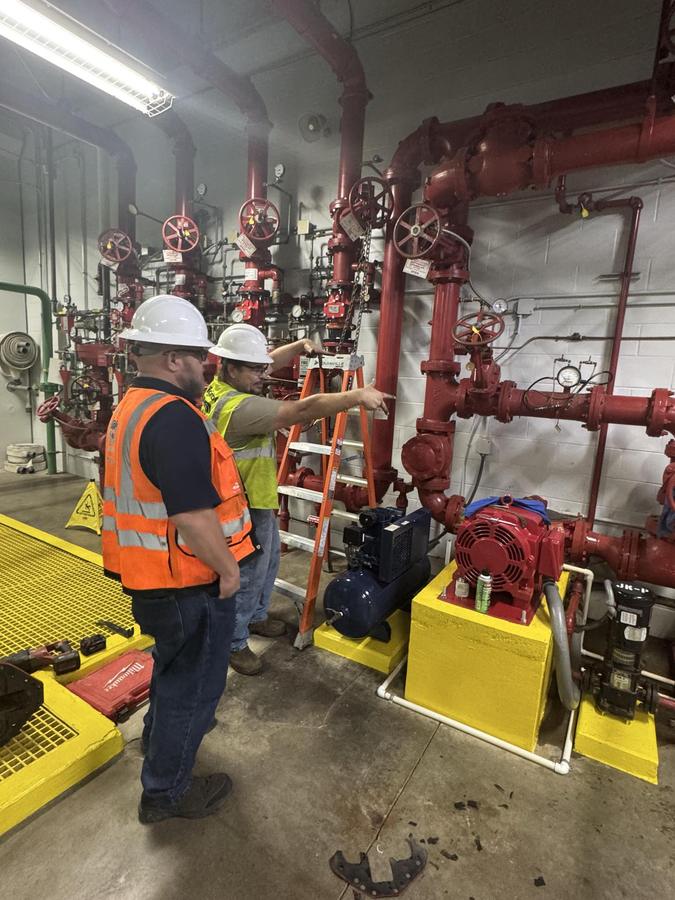
You don’t need to hire a contractor and a consultant separately. We provide comprehensive fire protection consulting and engineering services across Florida and beyond, led by licensed Professional Engineers who understand both the technical and regulatory landscape.
Fire Alarm and Mass Notification: Complete system design and NFPA 72 compliance.
Fire Sprinkler Systems: Precision design backed by advanced hydraulic calculations (NFPA 13).
Code Compliance Consulting: Resolving conflicts between fire and building codes.
Special Hazards Engineering: Specialized mitigation for high-risk environments.
Plan Review and Permitting: Streamlined coordination to expedite AHJ approvals.
Every project is engineered to meet applicable NFPA standards, local codes and jurisdictional requirements. That means fewer resubmittals and a straighter line from design to approval.
Contractor vs. Engineer: What's the Difference?
Contractor
A contractor installs and services fire protection systems.
Engineer
An engineer designs them — running the hydraulic calculations, code analysis and hazard assessments that the system must be built around in the first place.
Core Service Breakdown
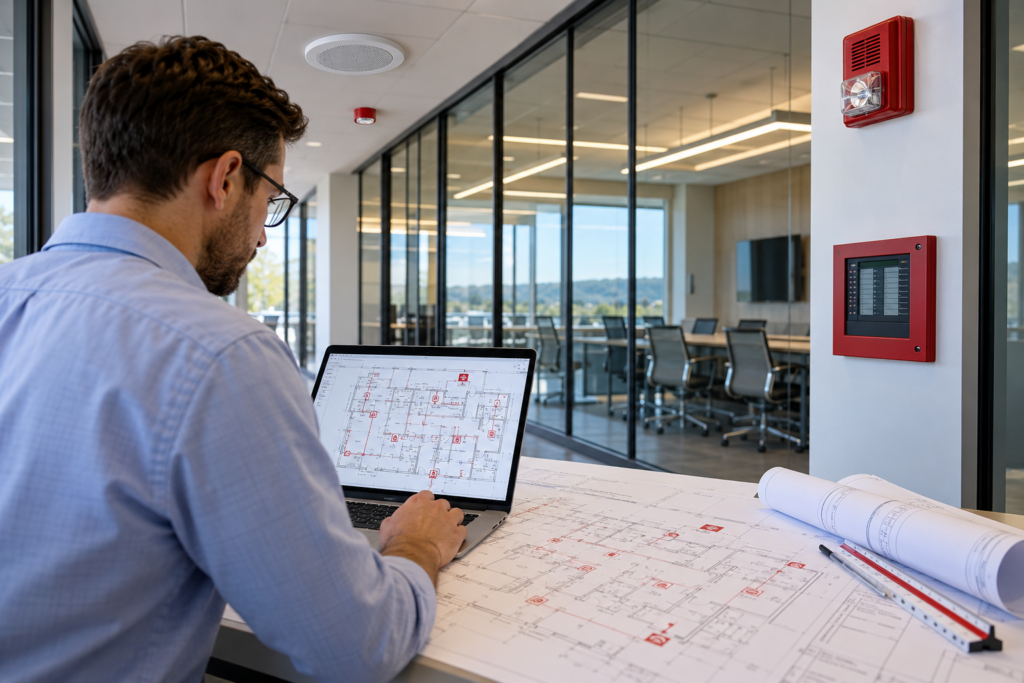
Engineering-Led Fire Alarm Design
Your facility's fire alarm system has to do more than pass inspection once. It has to perform when it matters.
We design NFPA 72-compliant fire alarm and mass notification systems customized to your building's occupancy, layout and risk profile, then support you through permitting so approvals don't stall your timeline.
Learn More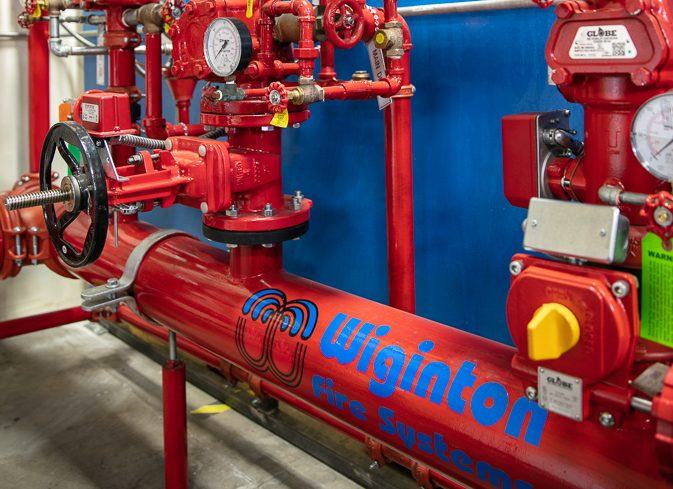
Precision Fire Sprinkler System Design
You need a sprinkler system sized right the first time, not one that gets flagged in plan review over a hydraulic calculation error.
At Wiginton Engineering, we provide fire sprinkler system design backed by detailed hydraulic calculations and NFPA 13 expertise, optimized for performance and cost across commercial and industrial applications.
Learn More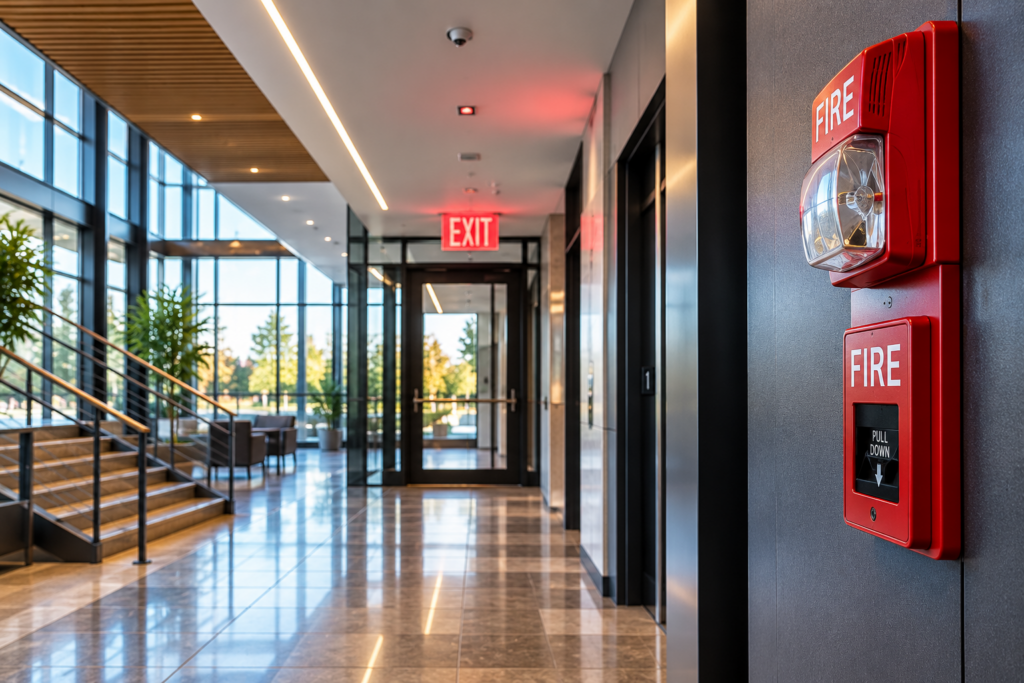
Code Compliance and Consulting
Fire and building codes don't always agree with each other, and they rarely agree with your project timeline.
When you're stuck on a code conflict, a rejected plan review or a compliance question on an existing building, our licensed engineers work directly with your project team, contractors and AHJs to get it resolved.
Learn More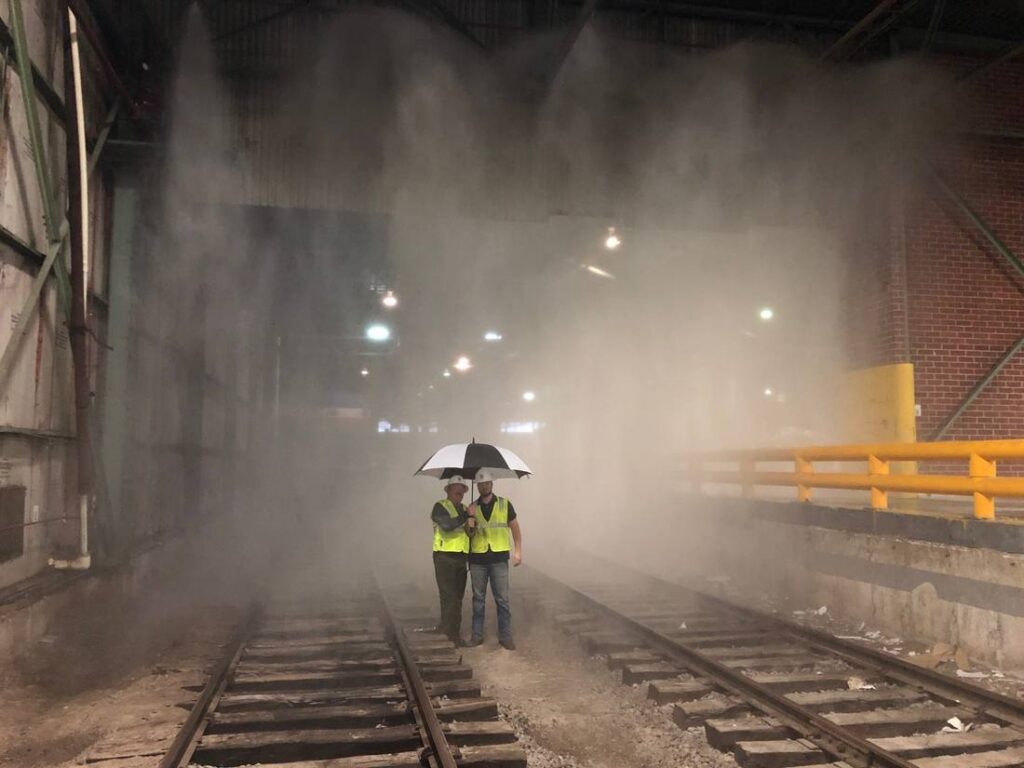
Special Hazards Fire Protection Expertise
High-piled storage. Flammable liquids. Clean agent systems. If your facility falls into a special hazards category, generic design won't cut it.
We deliver rigorous hazard analysis and system design tailored to mitigate risk and meet the strict regulatory requirements of high-risk environments.
Learn MoreWhy Work With Wiginton Engineering?
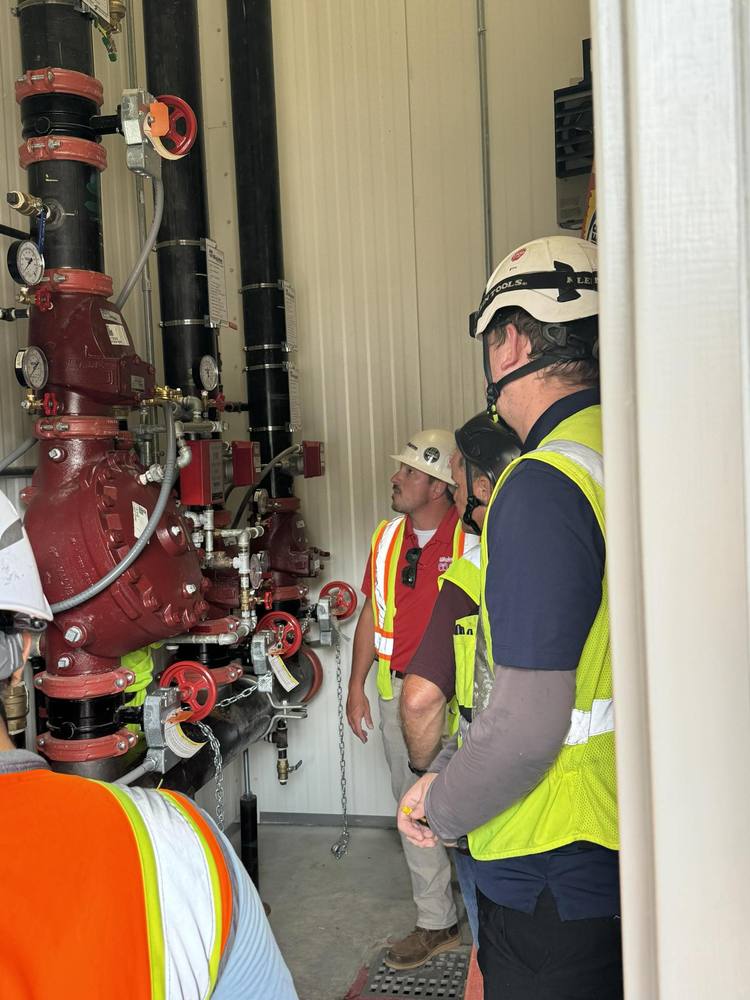
Committee-Level Insight
Our leadership sits on national NFPA and NFSA engineering committees. We know the intent behind the codes, not just the text.
Direct PE Access
You work directly with a licensed Professional Engineer, not a project coordinator relaying messages.
Florida-Specific Expertise
Deep knowledge of state fire codes and county-by-county AHJ variations.
End-to-End Ownership
One dedicated point of contact from initial design through final permitting.
No Runarounds
Just straight, technically sound answers to your toughest code questions.
Talk to an Engineer
Skip the call center. When you reach out to us, you’re talking directly to a licensed fire protection engineer, not a sales rep, about your project, your code questions or your timeline.
Frequently Asked Questions
Why do I need a Fire Protection Engineer (FPE) instead of a fire protection contractor?
While a fire protection contractor is licensed to install and maintain equipment, a licensed Professional Engineer (PE) is legally qualified to perform the upfront hazard analysis, complex hydraulic calculations and code interpretations required for permitting.
If your local Authority Having Jurisdiction (AHJ) or building department requires signed and sealed engineering drawings, a licensed PE of record must design and sign off on those plans before any installation can begin.
How does Wiginton Fire Protection Engineering help expedite the AHJ plan review and permitting process?
Delays in plan review usually stem from minor code interpretations or calculation errors. Because our engineering leadership sits on national NFPA and NFSA technical committees, we design with an intimate understanding of the intent behind the code.
We align our designs with both the Florida Fire Prevention Code and specific county-by-county local amendments, resulting in highly accurate submittals that routinely achieve first-pass AHJ approval.
What specific fire protection codes apply to commercial facilities in Florida?
Florida commercial properties must comply with the Florida Fire Prevention Code (FFPC), which is primarily based on NFPA 1 (Fire Code) and NFPA 101 (Life Safety Code), alongside localized amendments adopted by individual counties and municipalities.
Our team ensures your fire alarm (NFPA 72) and fire sprinkler (NFPA 13) systems flawlessly bridge the gap between national standards and Florida-specific mandates.
Can you help resolve a stalled permit or a rejected fire protection plan review?
Yes. Code conflicts between building codes and fire codes are a common reason projects stall. If your plans were rejected or redlined by an AHJ, our engineers can step in to conduct a forensic code analysis, untangle the compliance issues and negotiate directly with code officials to find an acceptable, code-compliant path forward that protects your timeline.
What qualifies a building or facility as a "Special Hazard" environment?
A facility falls into the special hazards category if it involves high-piled storage, data centers, aircraft hangars, or the storage of flammable liquids and chemical processing materials.
These environments require specialized mitigation — such as clean agent systems or pre-action sprinklers — because traditional water-based fire sprinklers could cause catastrophic property damage or fail to suppress the specific fire risk.